Geopolitical, policy and fiscal uncertainty become very concrete when you are responsible for keeping public services running. Changes in security requirements can affect which suppliers you can use. A push toward domestic sourcing raises questions about local production capacity. Rising costs can put an essential service beyond the budget originally approved for it.
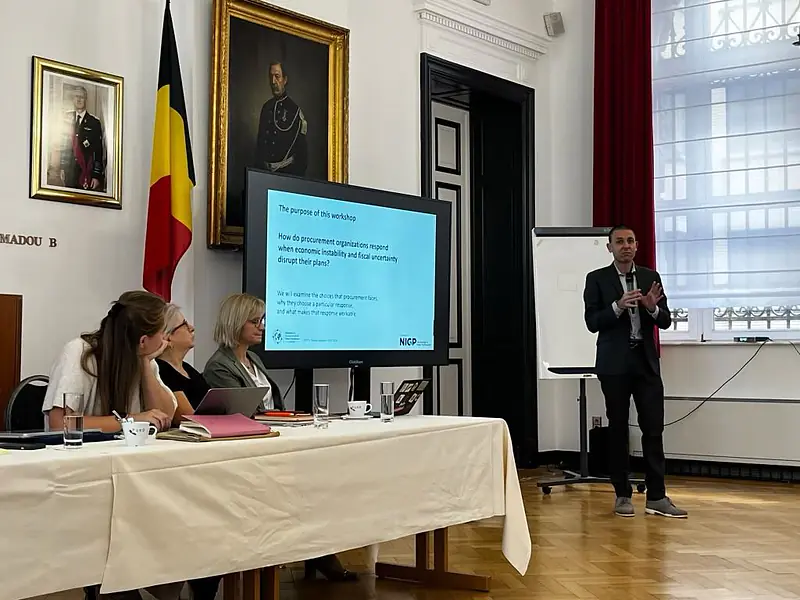
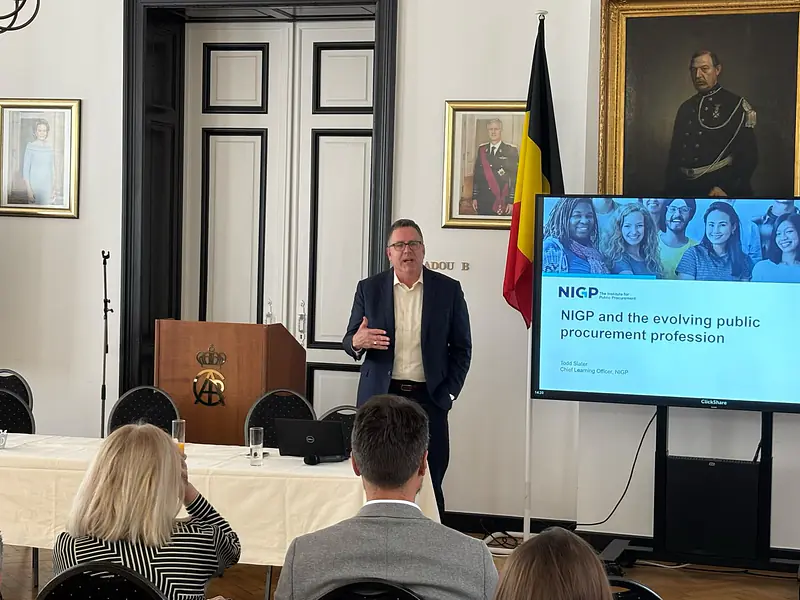
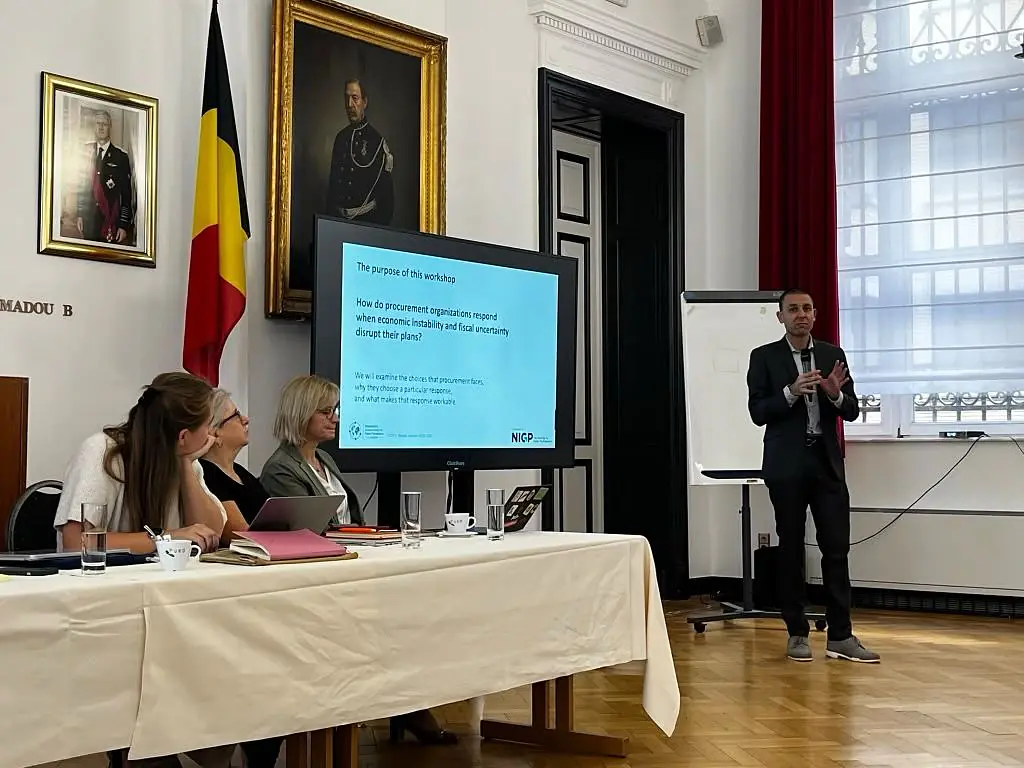
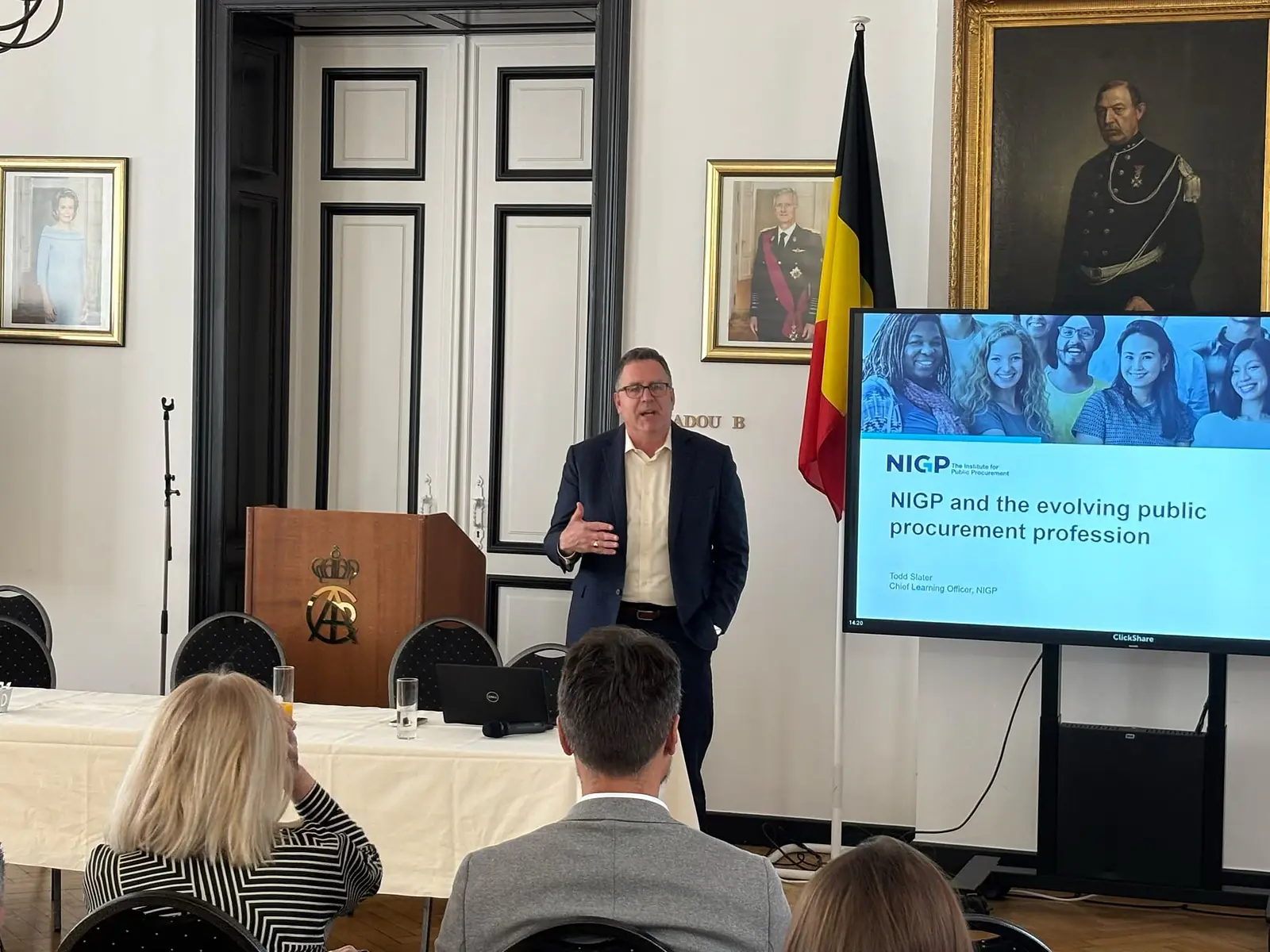
These were among the pressures we explored at the 11th International Research Study of Public Procurement (IRSPP 11), which took place on September 21-23 in beautiful Brussels. Over three days, participants from different countries shared cases and discussed how procurement can respond when markets, funding, and government priorities change.
What interested me most was how quickly the discussions moved from the initial shock to the choices it creates. Faced with a supplier asking for a price increase, the buyer needs to understand the claim, the consequences of refusing it, and whether another provider could take over. Faced with new security requirements, procurement needs access to people who can assess the risks and determine whether suppliers meet the new expectations. Each response depends on information, relationships, and decisions that extend across the organization.
The supplier’s perspective kept coming back into the conversation. Buyers may want the flexibility to postpone orders or change quantities, while suppliers need enough certainty to commit staff, materials, and production capacity. Encouraging more firms to bid raises another question: can those firms actually deliver what is needed, when it is needed? Under pressure, understanding those commercial realities becomes central to protecting public services.
The discussions also brought out the difficult choices behind policy ambitions. Supporting domestic suppliers, strengthening security, and introducing digital systems all create practical demands. Procurement has to translate those ambitions into requirements that can be met, assess the available market, and explain the implications for cost and delivery. There can be tensions between these objectives, and someone must take responsibility for deciding which trade-offs are acceptable.
This is where procurement’s strategic role becomes especially clear. Its knowledge of suppliers, costs, and delivery risks should inform decisions while policies, budgets, and service plans are being developed. Bringing that knowledge in early gives organizations a better basis for deciding what they can realistically achieve. It also makes investment in the procurement workforce difficult to separate from investment in public services. Commercial judgment, contract-management skills, experienced staff, and access to specialist advice all featured in the cases and discussions. Asking procurement to take greater responsibility requires giving people the time, support, and expertise to exercise it.
We are now bringing these experiences together in a practitioner report and using the workshop to develop further experimental research. The open question that will be carried throughout this work remains a practical one: when circumstances change, what helps procurement make decisions that remain workable for suppliers, accountable to the public, and capable of sustaining the services people rely on?